Source Non Stick Electric Skillet With Tempered Glass Lid for Home Hotel Restaurant
Explore 30 listings for a non stick electric skillet with tempered glass lid featuring mechanical or digital controls, aluminum bodies, and non-stick coatings. Buyers can compare power ratings, sizes, and customization options for household or commercial use; compare the available evidence and request quotations based on your requirements.
Key considerations
Products List
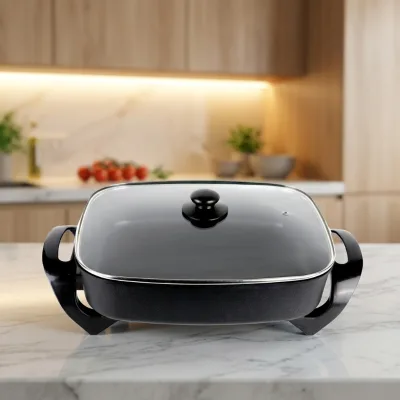
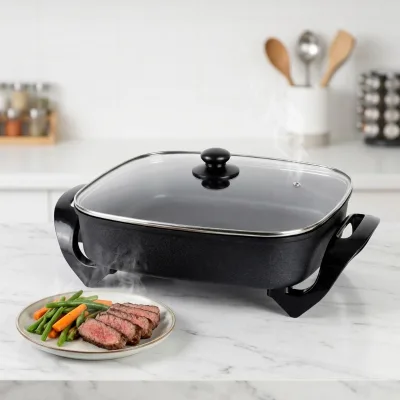
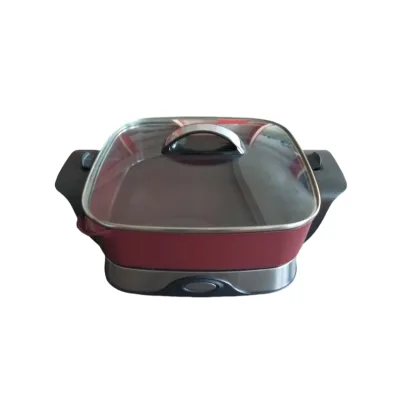
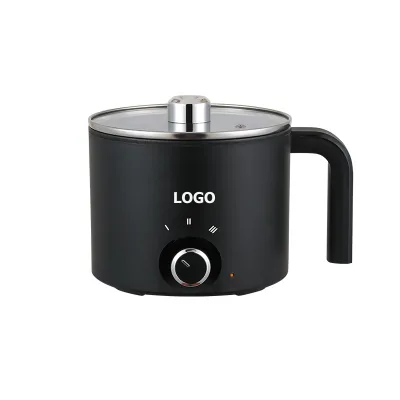




Comprehensive Sourcing Guide
Non Stick Electric Skillet With Tempered Glass Lid Sourcing Guide
Sourcing a non-stick electric skillet with a tempered glass lid requires balancing cooking performance with durable construction. Buyers must evaluate the interplay between the heating element, the coating integrity, and the lid’s thermal resistance. The core appeal lies in the versatility of multi-function capabilities, such as boiling, frying, and braising, which are often supported by mechanical or digital controls. Understanding these operational nuances ensures that the selected unit meets specific household or commercial volume needs without compromising safety or ease of use.
Procurement decisions should also account for the physical footprint and power requirements of the appliance. Variations in wattage, voltage compatibility, and plug types directly impact shipping costs and end-user usability across different markets. By focusing on verified specifications like aluminum body construction and cool-touch handles, buyers can mitigate risks associated with overheating or electrical incompatibility. This guide outlines the critical verification steps necessary to secure reliable inventory that aligns with quality standards and regulatory expectations in target regions.
Product Scope and Observed Listing Signals
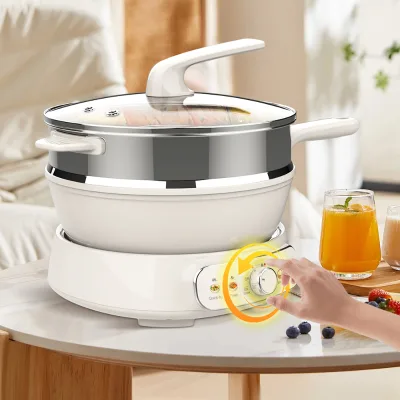
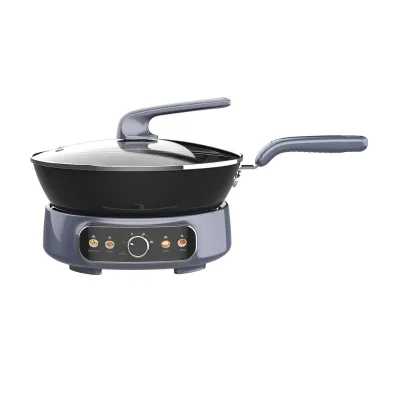
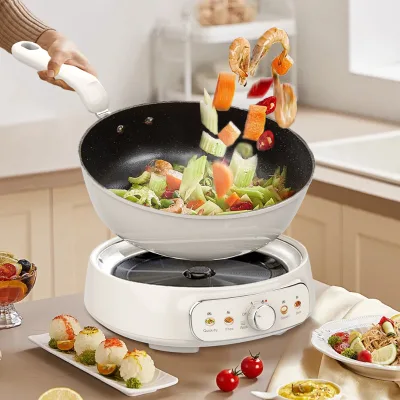
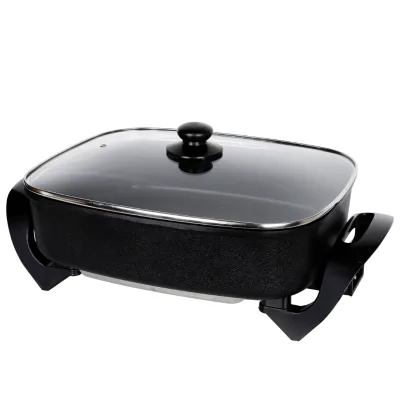
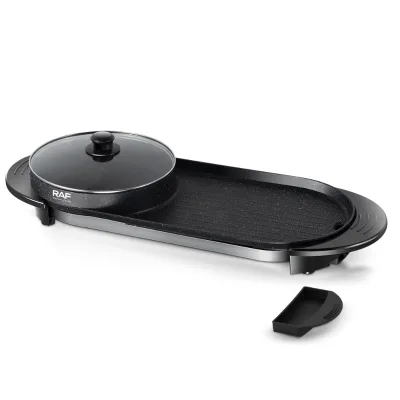
The observed market signals indicate a diverse range of multifunctional electric skillets designed primarily for household use, with some models extending to hotel applications. Listings highlight features such as non-stick coatings, durable no-coating options, and multi-function capabilities including boiling, frying, grilling, and steaming. The presence of tempered glass lids is a common attribute, offering visibility during cooking while retaining heat and moisture. Buyers should note that product names and descriptions vary, with some emphasizing mechanical knobs while others feature digital controls, reflecting different user preference segments.
Observed specifications reveal significant variation in physical dimensions, power ratings, and voltage compatibility. For instance, some units operate at 2000W or 2200W with 220V inputs, while others support a broader range of 100-120V and 220-240V. Packaging sizes and gross weights also differ, impacting logistics planning. The availability of sample units and customization options for logos suggests that suppliers are flexible regarding order volumes and branding requirements. These signals help buyers identify suppliers who can accommodate both standard and private-label procurement strategies effectively.
Technical Specifications to Verify
Verifying the power rating and voltage compatibility is essential to ensure the skillet operates safely in the target market. Buyers must confirm whether the unit supports dual voltage ranges or requires specific plug types, such as CN or EU standards, to avoid electrical hazards. The wattage, observed in listings ranging from 1500W to 2200W, directly influences heating speed and energy efficiency. Additionally, the control type, whether mechanical knob or digital interface, affects user experience and durability. Ensuring these electrical parameters match local grid standards is a critical first step in technical validation.
The material composition and coating type significantly impact the skillet’s longevity and food safety profile. Aluminum bodies are common, providing even heat distribution, while lids are typically made of tempered glass for durability and visibility. Buyers should verify whether the cooking surface features a non-stick coating or is a durable no-coating alternative, as this affects cleaning requirements and lifespan. Dimensions, such as those observed around 462x295x235mm or 481x305x238mm, determine the cooking capacity and storage footprint. Confirming these physical attributes ensures the product fits the intended use case and storage constraints.
Compliance and Safety Documentation
Electrical safety certifications are mandatory for importing electric skillets into most regulated markets. Buyers must request valid test reports from accredited laboratories to verify compliance with regional standards for electrical appliances. These documents should confirm that the heating elements, wiring, and plugs meet specific safety requirements to prevent fire or shock hazards. Without proper certification, shipments may be detained at customs, leading to significant delays and financial losses. Ensuring that the supplier can provide up-to-date and recognized safety documentation is a non-negotiable aspect of the procurement process.
Food contact material safety is another critical compliance area, particularly regarding the non-stick coating and glass lid. Buyers should verify that the materials used in the cooking surface and lid are free from harmful substances like PFOA or lead. Documentation should confirm that the aluminum body and tempered glass meet relevant food safety standards. Additionally, checking for any specific regulatory markings or labels required in the destination country is essential. Proper compliance documentation not only ensures legal market entry but also builds consumer trust in the product’s safety and quality.
Cost Drivers and Commercial Terms
The cost of non-stick electric skillets is influenced by several factors, including material quality, power rating, and control complexity. Units with digital controls and dual voltage capabilities often command higher prices due to increased manufacturing complexity. The presence of a tempered glass lid and aluminum body also contributes to the overall cost structure. Buyers should analyze the price range, observed between $2.6 and $50, to understand the value proposition of different models. Higher-priced items may offer better durability or additional features, while lower-cost options might suit basic household needs.
Commercial terms, such as minimum order quantity (MOQ) and payment conditions, significantly impact procurement strategy. Observed MOQs range from 1 to 2000 pieces, with some suppliers requiring 1000 PCS for standard orders. Buyers should negotiate terms that align with their inventory capacity and sales forecast. Payment terms, such as deposits and balance payments, should be clearly defined to manage cash flow. Additionally, considering the cost of samples and customization options, like logo printing, helps in budgeting for initial orders. Understanding these commercial dynamics ensures a sustainable and profitable sourcing relationship.
Supplier Qualification and Quality Control
Evaluating supplier qualifications is crucial to ensure consistent product quality and reliable delivery. Buyers should verify the supplier’s R&D capabilities, with some firms boasting over 60 R&D staff, indicating a capacity for innovation and customization. Checking for private mold ownership can also signal a supplier’s independence and ability to produce unique designs. Additionally, assessing the supplier’s after-sales service, such as providing free spare parts, demonstrates their commitment to long-term customer support. These factors contribute to the overall reliability and professionalism of the supply chain.
Quality control measures must be rigorously enforced to minimize defects and returns. Buyers should implement pre-shipment inspections to verify product dimensions, coating integrity, and electrical functionality. Sampling is a recommended practice, as it allows buyers to test the product’s performance before committing to large orders. Establishing clear quality standards and acceptance criteria with the supplier helps align expectations. Regular communication and feedback loops can further enhance product quality over time. A robust quality control process protects the buyer’s brand reputation and ensures customer satisfaction.
Long-Term Procurement Checks
Continuous monitoring of supplier performance is essential for maintaining a stable supply chain. Buyers should track key metrics such as on-time delivery rates, defect rates, and responsiveness to issues. Regular audits or reviews of the supplier’s production capabilities can help identify potential risks early. Additionally, staying informed about changes in regulatory requirements or market trends ensures that the sourced products remain compliant and competitive. Building a strong relationship with the supplier fosters collaboration and mutual growth, leading to better terms and priority support.
Product lifecycle management involves evaluating the long-term viability of the sourced skillets. Buyers should assess customer feedback and return rates to identify areas for improvement. Updating specifications or switching to newer models may be necessary to meet evolving consumer preferences. Additionally, exploring opportunities for product customization or bundling can enhance market appeal. By proactively managing the procurement process, buyers can mitigate risks and capitalize on new opportunities. Long-term success depends on adaptability and a commitment to continuous improvement in sourcing strategies.
FAQs
What is the power rating of the non stick electric skillet with tempered glass lid?
The power rating varies by model, with observed values including 1500 W, 2000 W, and 2200 W. Buyers should verify the specific wattage for their intended cooking volume and voltage requirements, as options range from 100-120V to 220-240V depending on the selected unit configuration.
Can the non stick electric skillet with tempered glass lid be customized with a logo?
Yes, the product accepts logo customization for branding purposes. This allows businesses to apply their own marks to the appliance. The OEM brand name is listed, indicating that private labeling is a supported service for buyers seeking to establish a distinct product identity in their local market.
What is the minimum order quantity for the non stick electric skillet with tempered glass lid?
The minimum order quantity is listed as 1000 PCS for standard bulk orders. However, observed ranges indicate that some suppliers may accept orders as low as 1 unit. Buyers should confirm the specific MOQ with the manufacturer, as sample availability and private mold options may influence these thresholds.
How is the non stick electric skillet with tempered glass lid controlled?
Control types vary between mechanical knobs and digital interfaces depending on the model. Some units feature mechanical control for simple operation, while others offer digital control for precise temperature management. Buyers should select the control type that best matches their operational preferences and desired level of cooking automation.
What is the warranty period for the non stick electric skillet with tempered glass lid?
The standard warranty period provided is one year. This coverage typically includes free spare parts to support maintenance and repair needs. Buyers should review the specific warranty terms with the supplier to ensure understanding of the coverage scope and the process for claiming spare parts during the warranty duration.
What materials are used in the non stick electric skillet with tempered glass lid?
The body is constructed from aluminum for efficient heat distribution, while the lid is made of tempered glass for safe monitoring. Some models feature a non-stick coating, while others offer durable, coating-free surfaces. These material choices ensure durability, ease of cleaning, and safe cooking performance for household or hotel use.